FAQ's
- What Can Be Treated With IPL Lasers?
- What Preparation is Required?
- How Does it Work?
- Does the Laser Treatment Hurt?
- Who is Suitable?
- How long is the treatment?
1. What Can Be Treated With IPL Lasers?
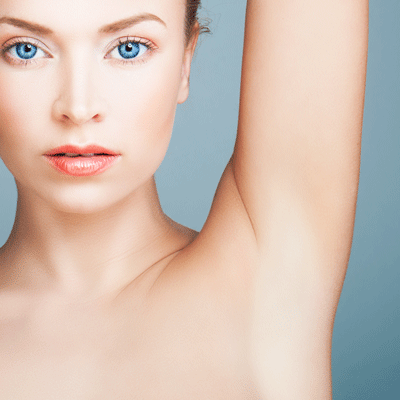
- Hair removal: Removal of unwanted hair from any part of the body except around the eyes.
- Vascular lesions: Removal or reduction of port wine stains, thread veins and other vascular lesions
- Pigmented lesions: Removal or reduction of freckles, age spots and other pigmented lesions
- Sun-damaged skin: Removal or reduction of age spots, visible blood vessels, diffuse redness and uneven pigmentation while improving skin texture.
- Warts: Plantar warts(bottom of foot) and common warts.
2. What Preparation is Required?
There must be a dark hair in the follicle, so waxing and plucking should be stopped well before, preferably 3 to 4 weeks prior to the treatment. You can trim snip or shave either the night before or on the day of treatment. On the day of treatment you should not apply deodorants, perfumes, talc or moisturisers containing sunscreen.
3. How Does it Work?
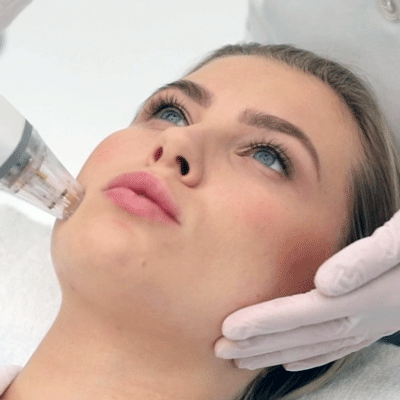
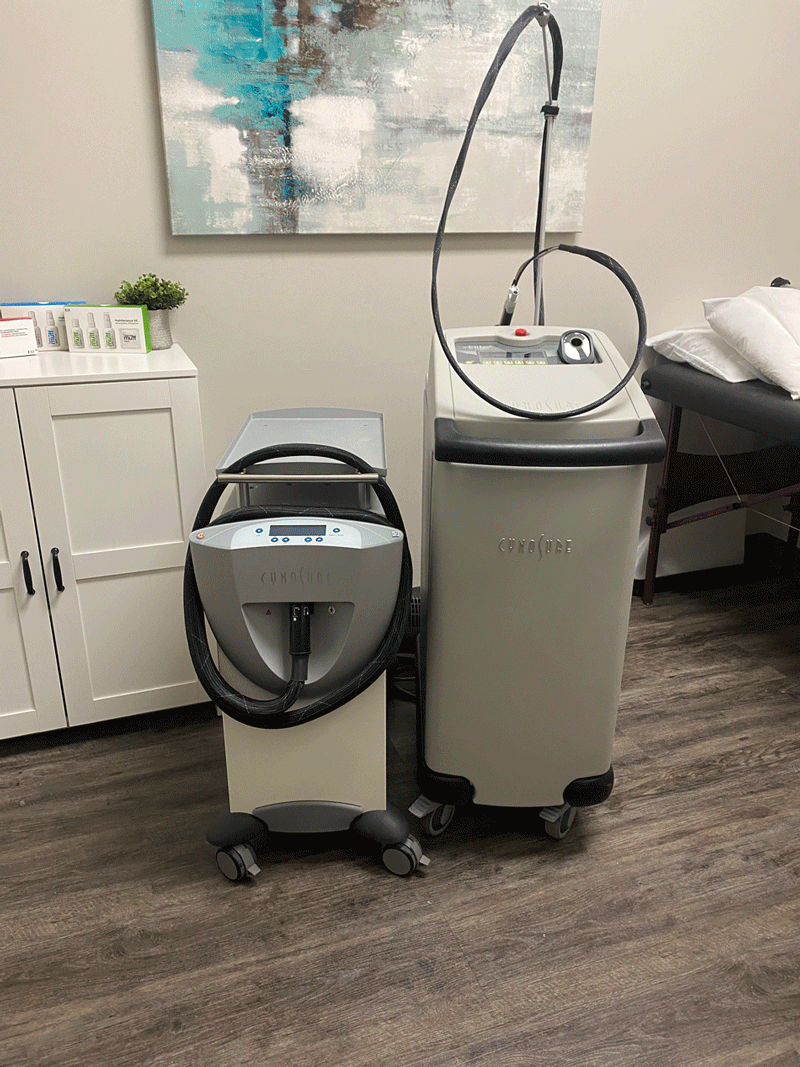
An Intense Pulse Light (IPL Laser) is simply a source of very bright light. The light is fired as a very brief flash and the energy is absorbed by dark hair follicles yet diffuses safely away in pale skin. The light energy is turned into heat as it is absorbed and the length of the flash is carefully controlled so that this heat does not spread and damage other parts of the skin. In this way the dark hair follicles can be selectively heated and damaged. This will then cause the hair to fall out after a week or two and any subsequent regrowth to be finer and sparser.
The Hair Growth Cycle
Several treatments are required at the start of laser therapy because of the natural growth cycle of hair follicles. Each hair follicle goes through growing and resting phases, and the hair follicle is most vulnerable to laser treatment early in the growing phase. The number of active follicles and the length of the growth phase varies. The first treatment will only damage some of the follicles and you may only see 20% reduction. After a few weeks, previously resting follicles break into growth. These can then be lasered and the treatment repeated at approximately 4 to 6 week intervals. After 4 - 6 treatments, most of the hair follicles in any particular site will be suppressed. Periodic touch ups may be required.
4. Does the Laser Treatment Hurt?
Our new advanced lasers are virtually pain free. Most clients describe it as a little uncomfortable, similar to a rubber band being snapped on the skin. In fact no use of a topical anesthetic like Emla cream is needed before treatment, which Is commonly used with other types of lasers.
5. Who is Suitable?
The best results are obtained when there is a large difference between the colour of the hair and the colour of the skin, for example black hair on fair skin will work better than light or white hair on light skin. In people with dark hair and light skin the laser can be turned up very bright with little risk of harming the skin. Mediterranean, Middle and Far Eastern skin types can be treated with care. Darker skin types than these are not suitable for the stronger lasers because the skin pigment absorbs too much laser energy causing unwanted damage such as burns and lightened skin. Men and women can both be treated, and all parts of the body can be treated.
6. How long is the treatment?
Treatment time can vary based on the area. The upper lip takes only a few minutes while a larger area like the back or legs can take up to an hour or more. Your Hair Free Laser Technician will advise you of how long your treatment will expect to take.
***Results vary based on skin tone, hair follicles, and growth stage. Multiple treatments may be necessary to achieve desired results. Post-treatment effects also vary depending on individual circumstances and stage of treatment.